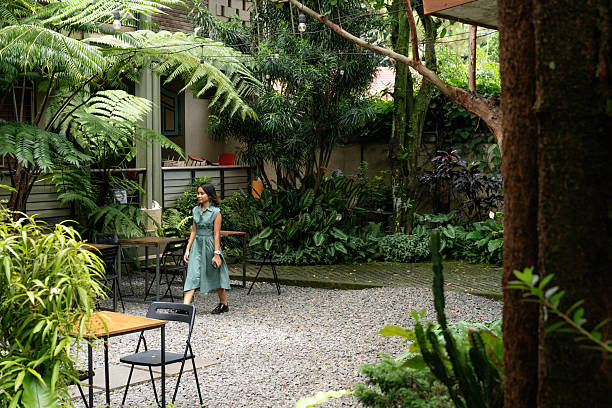
bringing nature inside
okay so biophilic design sounds fancy but its basically just making your home feel more like nature. think plants everywhere, natural light flooding rooms, wooden textures, water features, lots of greenery basically turning your living room into a jungle without the mosquitos. people online are obsessed. tiktok reels full of people showing their plant-filled apartments like “my urban jungle sanctuary” hashtags #BiophilicHome #NatureInside. honestly kinda motivating.
i tried it myself, added a few big potted plants in my living room, some hanging ferns near the window, a small indoor fountain. instantly felt calmer. social media posts promise “stress reduction, better focus, improved mood” and weirdly, it works. sometimes i laugh at myself talking to my plants but hey science says it’s good for mental health.
why its growing
urbanization is wild. people live in concrete jungles with tiny windows, artificial lighting, gray walls. humans crave nature but dont always have access. biophilic design brings elements of nature indoors. studies online (and yeah i skimmed a few reddit threads about this) suggest natural light, plants, natural materials improve mood, productivity, even cognitive performance. like your brain literally perks up around wood floors and sunlight. wild.
also social media amplifies it. instagrammers showing plant corners, sunlight hitting wooden shelves, morning coffee next to an aloe vera like it’s a lifestyle magazine spread. people see it, think “i want this in my home,” and boom trend spreads.
real-life examples
architects and interior designers are hopping on this trend. modern homes have open floor plans, floor-to-ceiling windows, skylights, indoor gardens. people online post stories of renovating tiny apartments with moss walls, bamboo furniture, natural stone accents. one tiktok i saw had someone turning a tiny balcony into a mini herb jungle, followers freaked out. some funny comments like “my cat will destroy this in 2 days” relatable.
i visited a friend’s biophilic-inspired apartment once. huge windows, sunlight streaming, plants everywhere, pebble-lined corners. i literally felt calmer just sitting there. they swore their productivity doubled. maybe placebo? maybe magic? who knows.
mental and physical benefits
biophilic design isn’t just about looking pretty. research suggests being around natural elements lowers cortisol, reduces stress, improves focus. people online share “before-and-after mood diaries” with plant-filled rooms, sunlight, natural textures. tiktok hashtags #ZenHome #StressFreeLiving.
physical benefits too. indoor plants improve air quality, reduce dust, sometimes regulate humidity. some people swear by living walls for better sleep. reddit threads debating “best plants for biophilic design” explode with advice, jokes, memes about killing plants in one week. i’ve killed two orchids in a month, still counting it as learning.
design elements
biophilic design is messy in a good way. natural materials—wood, stone, bamboo, clay. lots of natural light. colors inspired by nature—greens, browns, blues. textures everywhere. plants, water features, indoor gardens. furniture with organic shapes. some people even add bird feeders outside windows so you get the wildlife vibe indoors.
its not just for big fancy homes. even small apartments benefit. window boxes, hanging plants, driftwood shelves, pebble trays, natural fiber rugs. people on tiktok showing “tiny apartment biophilic makeover” full of humor and fails, like plants falling over mid-reveal. messy human energy but inspiring.
integration with tech
smart homes are blending with biophilic design. automated blinds to track sunlight, smart irrigation for plants, indoor lighting mimicking daylight cycles. people on reddit share “my smart indoor garden keeps me sane” screenshots. tiktok reels of plant watering robots, grow lights, hydroponics setups. chaotic but useful.
eco-friendly vibes
biophilic design overlaps with sustainability. using reclaimed wood, natural materials, energy-efficient lighting, water-saving features. people love it. social media posts show “eco-zen apartments” combining plants with solar panels or recycled materials. hashtags #EcoHome #SustainableLiving trending constantly. people love bragging about being green while looking aesthetic.
community and social media culture
online communities make biophilic design fun and messy. instagram plantfluencers, tiktok home makeover accounts, pinterest boards with hundreds of photos of moss walls, terrariums, indoor trees. people post fails too—plants dying, waterfalls overflowing, pets destroying arrangements. makes it relatable. one viral reel showed a cat knocking over a ficus mid-reveal, caption “biophilic chaos.” i laughed way too hard.
personal stories
i personally tried turning my balcony into a mini garden, failed twice, gave up, then tried again. learned about soil, sunlight, watering cycles. felt proud. even just having a few succulents and sunlight made mornings feel nicer. sometimes i talk to my plants. weird? yes. effective? also yes.
friends report similar stories. one friend swears their anxiety dropped after adding hanging ferns and a pebble tray by the couch. another felt less groggy thanks to morning sunlight and natural wooden shelves. messy human anecdotes everywhere, but consistent theme—biophilic design feels good.
trends in architecture
biophilic design is also shaping commercial spaces. offices, cafes, coworking spaces incorporate greenery, natural light, organic materials. employees feel happier, more productive. social media posts of offices with “jungle corners” and waterfall walls go viral. i’ve personally seen office tiktoks with #BiophilicWorkplace trending. people love it.
challenges and reality
not everything is perfect. maintaining plants, cleaning water features, keeping natural light balanced—requires effort. some plants die despite best intentions, pets destroy arrangements, sunlight doesn’t always cooperate. people online post “my biophilic makeover failed” threads full of memes and sympathy. messy reality but still inspiring.
also costs can be high. real stone floors, large indoor trees, moss walls—not cheap. smaller alternatives exist—fake moss, small potted plants, DIY pebble trays. messy human workaround, but still works.
future possibilities
i think biophilic design will keep growing. tiny apartments, large homes, offices, even virtual reality spaces use it. imagine VR workspaces with natural lighting, indoor forests, flowing water. social media amplifies ideas, memes, fails, successes. designers experiment constantly. AI might suggest personalized plant layouts, sunlight angles, optimal furniture placement. chaotic but exciting.
messy human thoughts
i love biophilic design because it’s messy, human, imperfect but makes life nicer. plants fall, pets attack arrangements, sunlight is uneven, but you feel calmer, happier, more connected. it’s tactile, visual, mental therapy all in one. social media helps people learn, laugh, share, and feel inspired. i personally feel mornings are better with a little greenery and sunlight.
conclusion maybe
biophilic design is more than a trend, it’s a lifestyle. it brings nature indoors, improves mood, productivity, air quality, aesthetics. works for small apartments and large homes, combines with tech and sustainability, amplified by social media. messy, human, imperfect, fun, life-improving. future homes will probably be greener, sunnier, calmer, and full of plants, water, natural materials. chaos, greenery, sunlight, and human energy combined.