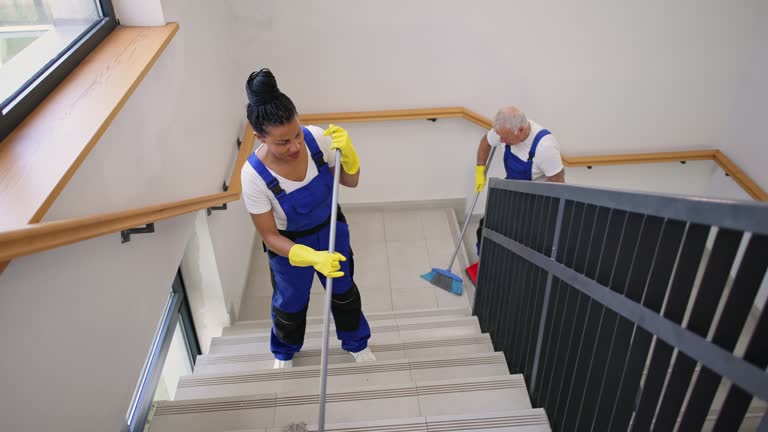
Send a standard commercial cleaning crew into a working warehouse and see what happens. They’ll show up with their mop buckets and all-purpose spray, take one look at ten thousand square feet of oil-stained concrete, grease-covered machinery, and grime-caked shelving, and they’ll either leave or spend twelve hours doing a job that needed to take two. Industrial cleaning is a different discipline entirely — and treating it like regular office cleaning is a mistake that costs time, money, and in the worst cases, safety.
The right industrial cleaning company doesn’t just bring bigger equipment. They bring trained technicians who understand how industrial contamination works, what products are appropriate for which surfaces and substances, and how to operate safely in environments where the hazards are real.
What Makes Industrial Cleaning Different
In a standard office, the worst cleaning challenge is usually a coffee spill or a grimy bathroom. In a warehouse or manufacturing plant, the challenges are a different category altogether.
Concrete floors in industrial settings collect oil, grease, chemicals, metal particulate, and general debris at a rate that would be almost unbelievable if you hadn’t seen it. That buildup isn’t just ugly — it’s a serious slip hazard. A warehouse floor slick with grease is an OSHA violation and a lawsuit waiting to happen. Cleaning it properly requires industrial-grade degreasers, pressure equipment, and the knowledge to treat porous concrete without just pushing contamination deeper into the surface.
Machinery is another story. Equipment covered in dust, grease, and debris runs hotter, wears faster, and breaks down sooner. The particulate that builds up around motors and vents is often the reason a machine fails months ahead of schedule. Regular cleaning is preventive maintenance as much as it is housekeeping.
And then there’s high-bay cleaning — the ceilings, overhead structures, ductwork, and lighting rigs that nobody looks at until the accumulation becomes a fire hazard or a contamination problem. Getting up there safely requires lift equipment and people trained to use it.
Compliance Isn’t Optional
OSHA has opinions about how industrial facilities should be maintained. So does the EPA, and depending on your industry, so do a handful of other agencies. Accumulated waste, improperly stored or disposed chemicals, blocked emergency exits, inadequate sanitation in employee areas — all of these are compliance failures that carry real consequences.
A professional industrial cleaning company knows the regulatory landscape. They understand which substances require specific disposal procedures. They document their work in ways that support audit trails. They build cleaning programs around compliance requirements, not in spite of them.
This is particularly important for facilities that handle food, pharmaceuticals, chemicals, or other regulated materials. The cleaning standards in these environments aren’t suggestions — they’re mandated, and the documentation proving compliance needs to be airtight.
Protecting the Equipment You’ve Invested In
Industrial machinery isn’t cheap. A single piece of manufacturing equipment can represent hundreds of thousands of dollars. The companies that get the most out of that investment are the ones that treat maintenance seriously — and cleaning is part of maintenance, whether it gets called that or not.
Dust and debris that accumulates in and around equipment restricts airflow, increases operating temperatures, and accelerates wear on moving parts. Grease buildup attracts additional contaminants and creates conditions for component failure. In food or pharmaceutical manufacturing, contamination from poorly maintained equipment can trigger product recalls that make the cost of a cleaning program look trivial.
Regular professional cleaning extends equipment life. That’s not a sales pitch — it’s the reason preventive maintenance programs exist. A machine that’s kept clean runs more efficiently, lasts longer, and gives you more warning before it fails.
Working Around Operations Without Shutting You Down
One of the legitimate concerns about industrial cleaning is disruption. If you’re running a manufacturing operation on tight margins and tight timelines, you can’t afford to stop production for cleaning. And you shouldn’t have to.
Experienced industrial cleaning companies are used to working in live facilities. They work in sections, coordinating with your operations team to access areas during scheduled downtime windows or shift changes. They know how to work around running equipment safely. They communicate clearly about access restrictions and adjust in real time when production needs change.
This coordination requires experience and professionalism. A company that’s only cleaned offices isn’t equipped for it. An industrial cleaning company that’s done this for years knows how to make it work.
What to Ask Before Hiring
Before bringing any industrial cleaning company into your facility, do some real due diligence. Ask about their insurance — specifically, whether they carry coverage appropriate for industrial environments, not just standard commercial liability. Ask about staff training and what certifications they hold for working with industrial chemicals or at height.
Ask for references from facilities similar to yours. A warehouse owner who’s worked with the company for two years will give you more useful information than any sales pitch. Ask what happens when something goes wrong — how do they handle a complaint, an incident, or a missed service?
Your facility represents serious capital. The people cleaning it should meet a serious standard. PBC Cleaning is an industrial cleaning company built for exactly this kind of work — warehouses, manufacturing floors, distribution centers, and the facilities where standard cleaning simply isn’t enough.