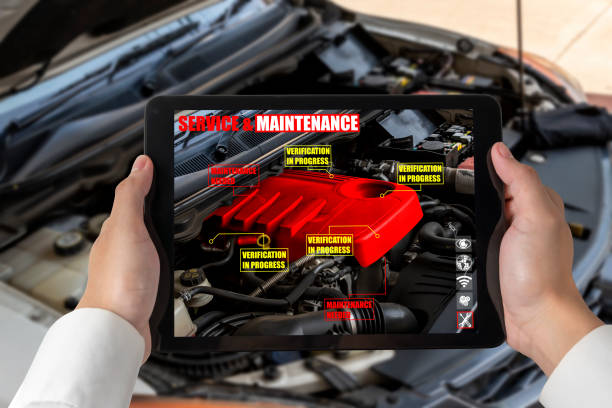
your car kinda knows its sick before you do
okay so remember the old days when your car would just randomly decide to break down on the worst possible day. like raining. late for work. phone at 12 percent. yeah that trauma is real. now cars are getting smarter and honestly it feels like they snitch on themselves before something goes wrong.
predictive maintenance sounds like a boring corporate term but it’s actually simple. instead of waiting for something to fail, your car collects data through sensors and software and basically says hey something is about to mess up soon fix it now. it’s like when you feel a cold coming and you drink ginger tea before it turns into full chaos. same concept but with engines and brakes.
what even is predictive maintenance
modern cars are packed with sensors. engine temperature. oil quality. brake wear. battery health. tire pressure. all that stuff constantly monitored. the system analyzes patterns and compares them to huge datasets from other vehicles. if something starts acting weird, you get a notification.
sometimes it’s just a light on the dashboard. sometimes it’s an app notification saying schedule service soon. some brands even send the data directly to the dealership. which is both impressive and slightly creepy if you overthink it.
i once got an alert saying my battery performance was declining. i ignored it because i thought it was dramatic. two weeks later it started struggling to start in the morning. so yeah maybe the car was right and i was the stubborn one.
why this actually matters
car ownership used to feel reactive. something breaks. you panic. you pay a huge bill. repeat. predictive maintenance flips that. you fix small issues before they turn into expensive disasters.
think of it like going to the dentist before your tooth explodes. annoying yes. but cheaper and less painful long term. same with cars. replacing a worn out part early costs less than fixing the damage it causes later.
it also saves time. less random roadside emergencies. less waiting for tow trucks. less dramatic phone calls to family saying you’ll be late because your car “just died.”
data is the new mechanic assistant
cars now generate massive amounts of data. some estimates say modern vehicles can produce gigabytes of data per hour depending on systems. that’s wild. and this data feeds machine learning systems that get better at predicting failures over time.
it’s not just about engines either. electric vehicles especially rely heavily on predictive maintenance. battery health monitoring is huge because batteries are expensive. knowing when performance is degrading helps owners plan instead of panic.
people on car forums talk about this a lot. some love it. some hate the idea of their car constantly reporting information. there’s always that one comment saying “my 1998 car doesn’t need any of this nonsense.” which is fair but also those cars didn’t text you when something was wrong.
cost savings or just new ways to charge us
okay here’s where it gets interesting. predictive maintenance can lower ownership costs in theory. fewer major breakdowns. better fuel efficiency. optimized service intervals.
but some people argue it also creates new dependency on dealerships and software subscriptions. because now diagnostics are tied to apps and manufacturer systems. sometimes you can’t just go to a random mechanic. that part feels slightly annoying.
i guess it depends on how companies balance transparency and control. if the tech genuinely helps owners save money then great. if it becomes another subscription trap then people will push back hard.
peace of mind hits different
one underrated thing is mental comfort. driving knowing your car is constantly monitoring itself feels safer. especially on long road trips. instead of wondering “is that noise normal” you have actual data.
i remember driving cross country once in an older car. every sound felt like potential doom. now with newer vehicles, you at least have systems that alert you early. it reduces that background anxiety.
for families this matters even more. knowing brakes or tires are being monitored adds a layer of reassurance. maybe not perfect but better than guessing.
impact on resale value
this part is interesting too. cars with detailed maintenance data logs might have higher resale value. imagine selling a car and showing a complete digital health history. buyers trust that more than “yeah i changed oil regularly trust me.”
transparent data builds trust. and in used car markets trust is everything because no one wants a surprise engine bill.
not perfect and still evolving
of course predictive systems aren’t flawless. false alerts happen. software bugs happen. sensors fail. technology is only as good as the data it gets. plus city driving vs highway driving affects wear differently. so algorithms constantly need updates.
there’s also privacy questions. who owns the vehicle data. the driver or the manufacturer. that debate is heating up quietly in the background.
still, overall trend is clear. cars are becoming less mechanical mystery boxes and more rolling computers. some people hate that. some love it. personally i’m somewhere in between. i miss the simplicity of older cars but i also don’t miss random breakdown anxiety.
the future of ownership feels more proactive
predictive maintenance is part of a bigger shift. car ownership moving from reactive repairs to proactive care. almost like how fitness trackers changed personal health. instead of waiting to get sick, you monitor steps and heart rate daily.
same idea with vehicles. constant monitoring. small adjustments. fewer dramatic failures.
maybe in ten years cars will automatically schedule service appointments without you doing anything. maybe they’ll even update parts recommendations based on driving style. sounds futuristic but honestly we’re halfway there already.
car ownership used to be about fixing problems after they happened. now it’s slowly becoming about preventing them before they start. and if that means fewer rainy day breakdowns and fewer surprise bills, i’m not complaining too much.