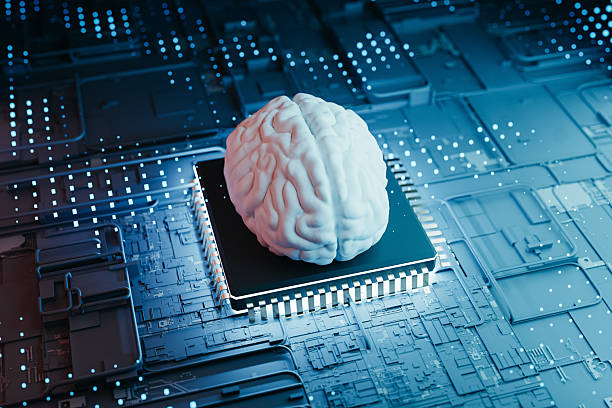
wait what is neuromorphic computing anyway
alright so neuromorphic computing sounds super sci-fi and intimidating but its basically computers designed to mimic how the human brain works. like neurons, synapses, signals all simulated in silicon and chips. not exactly a robot brain yet, but closer than traditional chips doing boring linear calculations. think of it like building computers that kinda think like us, or at least try to.
i first heard about this scrolling twitter late night. some post had a headline “neuromorphic chips could make ai think faster than humans” and i literally paused my scroll, stared at phone, said “wait are we there already?” social media explodes with both hype and skepticism. people making memes of robots with brain-shaped chips, some scary, some funny. humans reacting, as usual.
why traditional computing struggles with ai
so normal computers, von neumann architecture, super efficient at math but terrible at mimicking human brain efficiency. ai today uses lots of data, GPUs, power-hungry servers. training ai models consumes insane electricity, expensive hardware, hours or days of computing. humans online joke about “training my chatgpt model cost more than my rent.” chaotic but relatable.
neuromorphic chips promise more efficiency. process info in parallel, closer to how neurons fire in brain. less energy, faster learning, possibly more adaptable ai. imagine your ai assistant actually “thinking” instead of just crunching numbers slowly. maybe exaggeration but exciting idea.
real-life applications already explored
some labs and startups experimenting with neuromorphic chips for robotics. robots could learn motor skills faster, adapt to environment in real-time, not wait for centralized computation. social media reels show tiny robots balancing, walking, avoiding obstacles using neuromorphic chips. chaotic human excitement.
another application: edge computing. ai on small devices like phones, cameras, drones could be smarter without cloud servers. imagine your phone predicting your moves, helping you plan, process sensory info in real-time without lag. memes online joking “my phone is smarter than me already” trending.
neuroscience research also benefits. simulating parts of brain in neuromorphic hardware allows experiments faster and cheaper than traditional simulations. reddit threads discuss human brain mapping + chips, some hype, some doubt, messy human debates.
why it could change ai development
speed: faster learning, real-time adaptability. imagine ai learning in seconds what used to take hours. social media posts “ai just learned chess in 1 second” viral even if exaggerated.
energy efficiency: less electricity compared to gpu-heavy training. humans online love this, environmental angle trending #GreenAI. chaotic humans cheering tech that is both smart and eco-friendly.
better adaptability: traditional ai brittle, learns patterns but struggles outside training data. neuromorphic designs potentially more robust. robots, drones, smart devices could react like humans to unexpected inputs. messy human-like intelligence.
scalability: neuromorphic chips small, can fit in devices, sensors, appliances. ai everywhere, not just big data centers. social media reels showing tiny drone making smart decisions, captions “my new ai neighbor is judging me” viral. humans funny.
challenges and messy reality
its not magic. neuromorphic hardware hard to manufacture, expensive, early stage. labs mostly experimenting, prototypes slow. social media posts sometimes overhype “ai chip will replace humans in 2026” chaotic human clickbait.
software compatibility: existing ai frameworks built for GPUs/CPUs. neuromorphic programming different, new languages, tools. learning curve steep. memes about “programmer cries trying to code brain chip” relatable.
uncertain performance: not every task suits neuromorphic chips. excel calculations? useless. image recognition, sensory processing? promising. humans still evaluating.
energy efficiency is relative: yes less than big gpu server, but still needs careful design. power savings real but expectations often exaggerated online. chaotic human hype.
personal messy thoughts
i personally find it wild imagining tiny chips acting kinda like neurons. my friend joked “so basically phones getting brain upgrades” chaotic but technically yes. humans excited but also nervous about ai suddenly more autonomous. social media posts debating ethical implications everywhere #NeuromorphicAI #FutureOfAI.
also humans love drama. memes about “neuromorphic robot stealing my job” trending. also tiktoks showing tiny robot learning tasks in 10 seconds “faster than human intern” chaotic humor, messy reality.
future possibilities
robotics: smarter, adaptive robots for manufacturing, logistics, healthcare. imagine hospital robots adjusting in real-time, drones delivering packages smarter than ever, social media content exploding.
edge ai: phones, wearables, smart cameras learning locally, preserving privacy, faster decisions. humans love AI but also freak out about surveillance, messy emotions everywhere.
brain-computer interfaces: long-term, maybe brain-inspired chips interact with human brain directly. sci-fi territory but labs exploring. reddit threads debating “will neuromorphic AI read my mind?” memes everywhere. humans always dramatic.
ai development speed: training models faster, cheaper, energy-efficient. could accelerate research, new algorithms, more innovation. humans excited for speed but cautious about unintended consequences. messy human energy.
integration with classical ai: hybrid systems combining gpu servers + neuromorphic chips for best of both worlds. social media reels showing tiny drone processing visual info with neuromorphic chip while big ai server handles analytics. chaotic but promising.
psychology and social media angle
humans obsessed with “brain-like computers” and instant gratification. tiktok reels of robots learning tasks faster than humans. instagram posts “my neuromorphic assistant can do my work while i nap” messy humorous exaggeration. humans both hopeful and anxious.
fear of obsolescence real. programmers, analysts, operators joke online “neuromorphic AI stealing our jobs” chaotic humor. yet fascination dominates curiosity. humans love tech that mimics us but also scares us. messy human paradox.
challenges ahead
hardware scaling: making neuromorphic chips affordable for mass adoption. labs mostly small batches. humans like prototypes but want consumer products.
software ecosystem: ai frameworks need overhaul for neuromorphic architecture. programmers need to learn new skills. chaotic human energy, memes, frustration, excitement all in one.
standardization: diverse designs, different neuron simulation models. interoperability tricky. humans love compatibility but messy reality, different chips, different languages.
ethics: adaptive ai harder to predict, maybe autonomous decisions. humans debate online about regulations, accountability, risk. social media amplifies fear + excitement.
final messy thoughts
neuromorphic computing could radically change ai development, making ai faster, more adaptive, energy-efficient, and capable of operating on smaller devices. humans messy, social media chaotic, memes everywhere. hype and reality collide.
its not instant magic, hardware and software challenges exist, regulatory and ethical frameworks needed. humans cautious but fascinated. personal opinion: we’re stepping closer to ai that thinks more like us, messy, imperfect, adaptable, learning in real-time. exciting but messy. chaotic but promising.
social media shows both promise and human panic. tiktok reels, reddit threads, instagram posts, memes. humans love sharing both failures and successes. messy reality amplifies tech hype.
neuromorphic chips not mainstream yet but could influence robotics, ai research, edge computing, brain-computer interfaces. humans excited, anxious, curious. messy, chaotic human energy present in every discussion.
conclusion maybe
neuromorphic computing is a promising frontier in ai development, mimicking brain-like architectures to improve speed, efficiency, adaptability, and scalability. messy human excitement, memes, social media hype, ethical debates all surround it. challenges exist, but potential impact on robotics, edge devices, ai research, and computing efficiency is huge. humans will cheer, panic, and adapt alongside these brain-like machines. chaotic but fascinating.