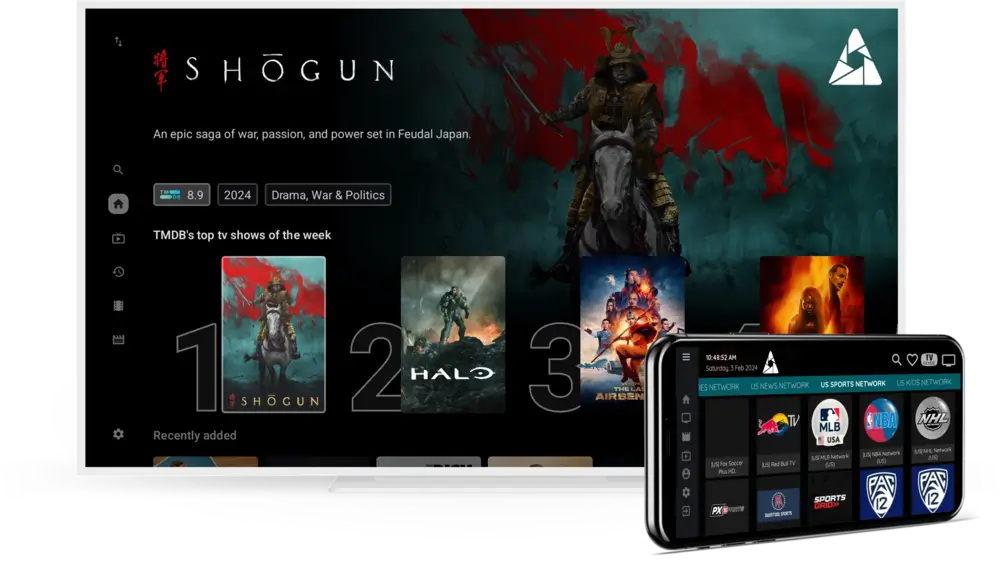
Entertainment has become one of the most rapidly evolving industries in the modern world. Over the last decade, the rise of high-speed internet and smart devices has transformed how people consume television, movies, sports, and live events. What once depended entirely on cable subscriptions and scheduled broadcasts has now shifted toward internet-driven streaming experiences.
Today’s viewers expect entertainment to be immediate, flexible, and accessible across multiple devices. This demand has fueled the growth of IPTV and online streaming platforms, changing the structure of the television industry itself. Platforms such as https://apollogroup-tv.com reflect the broader trend toward internet-based viewing systems that prioritize accessibility and convenience.
The Shift From Scheduled TV to On-Demand Viewing
Traditional television operated on fixed programming schedules for decades. Viewers had little control over broadcast times, and missing an episode often meant waiting for reruns. Streaming culture changed this completely.
Modern audiences now prefer on-demand entertainment because it offers:
- Freedom to watch content anytime
- Flexible viewing across devices
- Personalized entertainment choices
- Access to global content libraries
- Greater control over viewing habits
This shift represents a major cultural change in how media is consumed. Television is no longer tied to a specific room, device, or schedule.
Why Internet-Based Television Continues Growing
Several factors have contributed to the rise of internet-powered television platforms.
Faster Internet Infrastructure
Broadband and fiber internet connections have improved significantly worldwide. Faster speeds make HD and 4K streaming more practical for everyday users.
The Expansion of Smart Devices
Streaming is no longer limited to desktop computers. People now use:
- Smart TVs
- Smartphones
- Tablets
- Streaming sticks
- Gaming consoles
- Laptops
This wide compatibility allows viewers to access entertainment almost anywhere.
Demand for Personalized Experiences
Modern audiences expect content recommendations tailored to their interests. Streaming platforms increasingly use algorithms and viewing data to suggest movies, series, and channels based on user behavior.
The Role of IPTV in Modern Entertainment
IPTV, or Internet Protocol Television, is one of the technologies driving the digital entertainment revolution. Unlike traditional broadcasting methods that rely on satellite or cable infrastructure, IPTV delivers content through internet connections.
This approach allows users to access:
- Live television broadcasts
- Video-on-demand content
- International channels
- Sports events
- Interactive program guides
Because IPTV combines live and on-demand entertainment, it has become increasingly attractive to users seeking more flexibility than traditional television services offer.
Sports Streaming and Real-Time Entertainment
Live sports remain one of the most important aspects of television consumption. Streaming technology has dramatically changed how fans access sporting events around the world.
Modern viewers expect:
- Real-time streaming
- High-definition broadcasts
- Multi-device viewing
- Access while traveling
- Flexible viewing locations
This demand has pushed streaming platforms to improve server infrastructure and playback technology to handle large audiences during major live events.
The Technology Behind Smooth Streaming
Many users focus only on the content they watch, but modern streaming relies on advanced technical systems operating behind the scenes.
Adaptive Bitrate Streaming
This technology automatically adjusts video quality depending on internet speed to reduce buffering and interruptions.
Cloud Infrastructure
Cloud systems allow streaming platforms to support large content libraries and scale services globally.
Content Delivery Networks (CDNs)
CDNs distribute streaming traffic across multiple servers, helping maintain stable playback and faster loading times.
Cross-Platform Synchronization
Users can now switch between devices while continuing the same content seamlessly.
These innovations have significantly improved the user experience compared to early streaming services.
Challenges Facing the Streaming Industry
Although streaming continues growing rapidly, the industry also faces several challenges.
Content Saturation
With countless streaming platforms available, audiences are exposed to an overwhelming amount of content choices.
Licensing and Distribution Rights
Global streaming involves complex legal agreements related to broadcasting rights and regional restrictions.
Internet Dependency
Streaming quality depends heavily on internet stability, especially for live broadcasts and high-definition content.
Increasing Competition
As more platforms enter the market, competition for audience attention continues intensifying.
These challenges are shaping how streaming providers develop future technologies and services.
The Future of Digital Entertainment
The future of television appears increasingly connected to internet-based delivery systems. Emerging technologies such as 5G, artificial intelligence, and cloud computing are expected to further transform streaming experiences.
Future entertainment trends may include:
- Smarter content recommendations
- Interactive viewing experiences
- Enhanced streaming quality
- Faster global access
- More personalized entertainment environments
Most importantly, audiences will continue expecting flexibility and convenience from their entertainment platforms.
Streaming technology has already changed how people watch television, but its influence goes beyond viewing habits alone. It has reshaped audience expectations, transformed media consumption patterns, and redefined what modern entertainment looks like in the digital era